
Los Angeles has always been a city with strong opinions about furniture. Midcentury modern pieces from the Case Study houses, hand-carved Spanish Colonial revival tables, Hollywood Regency gilt mirrors: the region's design history runs deep, and so does the market for secondhand and vintage pieces. Whether you're furnishing a new place, clearing out a family home, or sitting on a collection that deserves the right buyer, furniture auctions offer something retail and private sales often can't: fair market pricing set by competitive bidding.
This guide covers both sides of the transaction, from previewing lots and placing bids to consigning pieces and understanding what sells well in the Los Angeles market.
How furniture auctions actually work
A furniture auction follows the same basic structure whether it's held in a warehouse, a private home, or online. The auction house catalogs each lot with photographs and descriptions, sets a preview period so buyers can inspect pieces in person, and then opens bidding. The highest bidder wins.
Most auction houses in Los Angeles now run online sales, live sales, or a hybrid of both. Online-only auctions typically stay open for days or weeks, giving bidders time to research and set maximum bids. Live auctions move faster, with an auctioneer calling lots in real time. Some houses accept absentee and phone bids for people who can't attend.
After the hammer falls, the buyer pays the winning bid plus a buyer's premium (more on that below) and arranges pickup or shipping. The seller receives payment after the sale closes, minus the auction house's commission.
What kind of furniture sells well in Los Angeles
Not all furniture performs equally at auction. The Los Angeles market has clear preferences, shaped by local architecture, design culture, and collector taste.
Pieces that consistently attract bidders
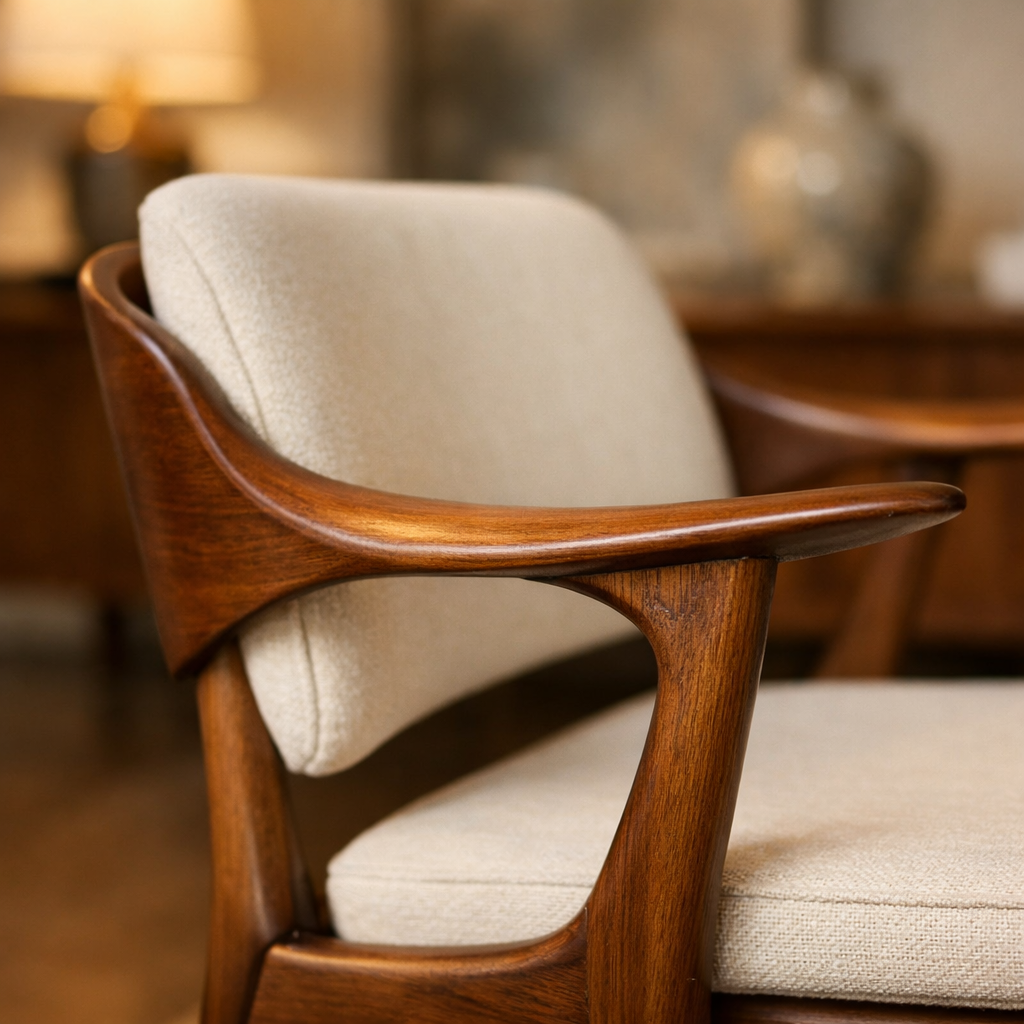
- Midcentury modern: Eames, Nakashima, Dunbar, Herman Miller, Knoll. LA buyers know these names and will compete for authenticated examples.
- California craft movement: Sam Maloof chairs, J.B. Blunk tables, and studio pottery-adjacent furniture made in the state.
- Designer and high-end contemporary: Roche Bobois, Ligne Roset, B&B Italia, and custom pieces by named designers.
- Antique case goods: Quality 18th and 19th century desks, secretaries, and chests in good condition still find buyers, though the market has narrowed.
- Hollywood Regency: Gilt, brass, lacquer, and anything with a bit of glamour. Think Dorothy Draper or Billy Haines.
What's harder to sell
Mass-produced furniture from the 1990s and 2000s, large brown furniture (oversized mahogany dining sets, heavy armoires), and damaged upholstered pieces tend to struggle. An auction house will usually tell you up front if something isn't worth consigning.
What buyers should know before bidding
Buying furniture at auction can save you 40 to 70 percent compared to retail, but only if you do basic homework first.
Preview everything you can
Photos lie. Wood tones shift on screens, upholstery stains hide in shadows, and dimensions that look right in a catalog image may not fit your doorway. Attend the preview. Open drawers. Check joints. Sit in chairs. If the auction is online-only, read the condition notes carefully and contact the house with questions before you bid.
Set a ceiling and stick to it
Auction energy is real. Two determined bidders can push a lot well past its estimate. Before the sale, decide your maximum for each piece and write it down. Include the buyer's premium in your math so you know the real total.
Understand the buyer's premium
The buyer's premium is a fee the auction house adds on top of the hammer price. It typically ranges from 15 to 25 percent, though it varies by house. If a table sells for $1,000 and the premium is 20 percent, you'll pay $1,200 plus any applicable tax. This is standard across the industry, not a hidden charge, but it catches first-time buyers off guard if they haven't read the terms.
Plan for pickup and delivery
Most auction houses require buyers to pick up items within a few days of the sale. Some offer shipping or can recommend local movers. For large furniture, have a plan before you bid. Storage fees add up fast.
How to consign furniture for sale at auction
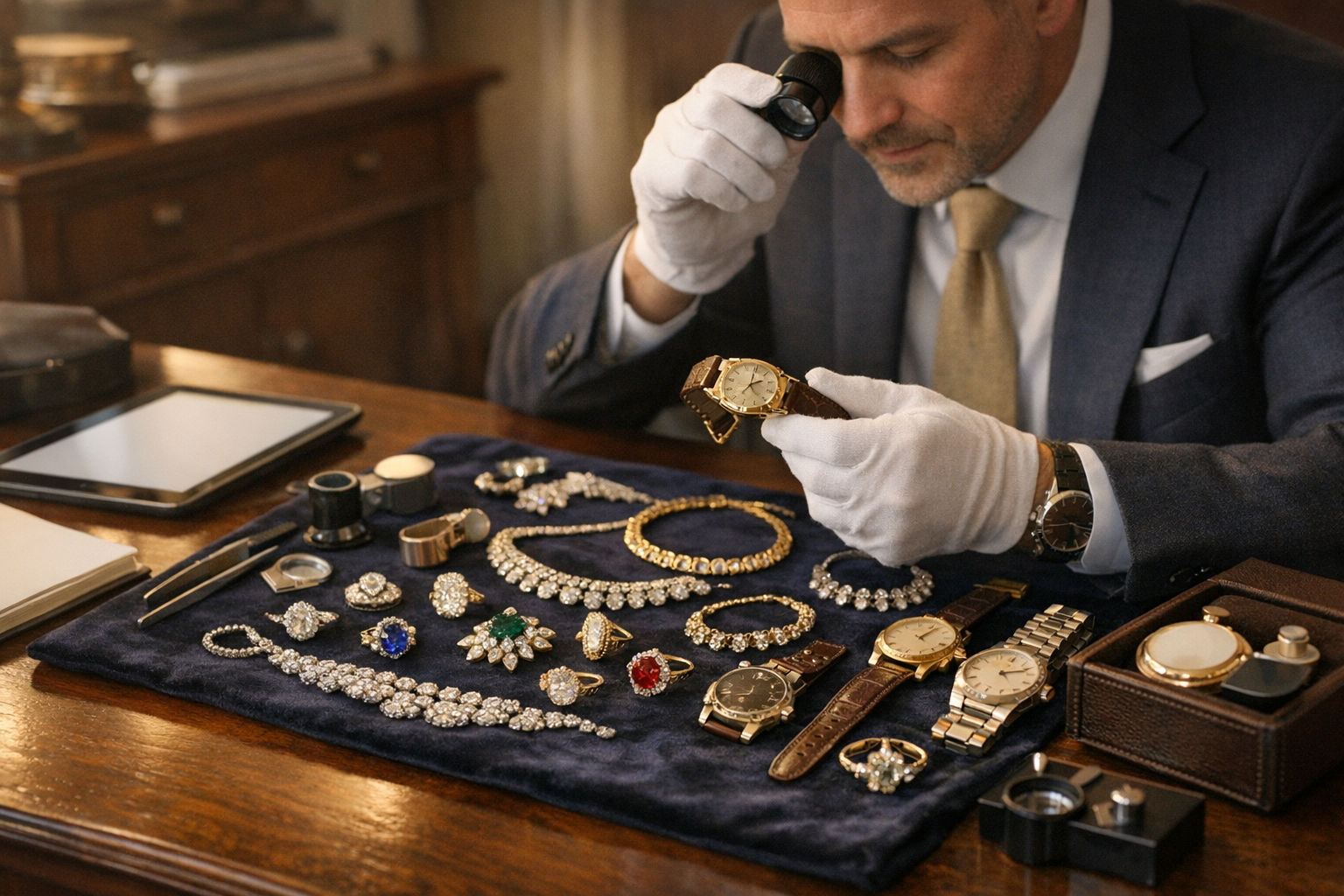
If you're on the selling side, consigning furniture to an auction house is straightforward. You bring or ship the pieces to the house (or they pick them up), they catalog and photograph everything, and the items go into an upcoming sale. After the auction closes, you receive payment minus the house's commission.
What to expect from the process
- Initial consultation: Most houses offer free estimates. You can usually start with photos and descriptions sent by email.
- Consignment agreement: A written contract covering commission rates, reserves (the minimum price you'll accept), insurance, and the sale timeline.
- Cataloging and photography: The auction house photographs each lot, writes descriptions, and researches provenance or maker information.
- Marketing: The lots are promoted to the house's buyer network. An established firm with a large subscriber base will generate more visibility and competitive bidding than listing items on your own.
- Sale and payment: After the auction, payment to consignors is typically issued within 30 to 45 business days.
Hughes Estate Sales & Auctions, which has run auctions of furniture and decorative arts from its Altadena warehouse since 2010, markets lots to more than 13,000 active email subscribers and handles professional packing and global shipping. That kind of reach matters when you're trying to find the right buyer for a specific piece.
Condition and provenance make the difference
Two identical chairs can sell for wildly different prices depending on condition and documentation. A Gio Ponti chair with a receipt from the original purchase and no repairs will outperform the same model with a wobbly leg and no history. Before consigning, gather whatever paperwork you have: purchase receipts, appraisals, designer labels, even old photographs showing the piece in its original setting. These details help the auction house tell a story buyers will pay for.
Choosing the right auction house
Not every house is the right fit for every consignment. A few things worth checking:
- Track record with similar items: Ask for recent results from comparable furniture sales. A house that regularly handles midcentury design will attract different buyers than one focused primarily on fine art.
- Commission structure: Seller's commissions typically range from 10 to 35 percent. Some houses charge additional fees for photography, insurance, or unsold lots. Ask for the full schedule before signing.
- Buyer reach: Who sees the lots? A strong online presence, an active subscriber list, and exposure on major auction aggregator platforms all help.
- Timeline: If you're working against an escrow deadline or a move-out date, ask how soon items can be included in a sale. Furniture auctions in Los Angeles are scheduled regularly through established houses, but timing still varies.
Frequently asked questions
Do I need to clean or restore furniture before consigning it?
Light cleaning is fine. Don't refinish or reupholster antiques or designer pieces before consigning. Auction buyers often prefer original finishes, and a bad restoration can reduce value. Ask the auction house before doing any work.
Can I set a minimum price on my furniture?
Yes. This is called a reserve. If bidding doesn't reach the reserve, the item doesn't sell. Some houses charge a fee for unsold reserved lots, so ask about this when you sign the consignment agreement.
How do I know if my furniture is valuable enough for auction?
Most reputable houses offer free consultations. Send photos and any background information you have. They'll tell you whether a piece is a good candidate for auction, better suited for an estate sale, or unlikely to sell. Honest advice up front saves everyone time.
What happens to furniture in auctions that doesn't sell?
Policies vary. Some houses re-offer unsold lots in a future sale at a lower estimate. Others return the items to the consignor, sometimes charging a handling fee. Hughes Estate Sales & Auctions can also donate unsold usable goods through its partnership with Union Rescue Mission, keeping items out of landfills while supporting the community.
Your next step
If you've been browsing auctions for furniture in Los Angeles or thinking about selling pieces from a collection, an estate, or a downsize, the best thing you can do is look at a few upcoming sales. Study the lots. Read the descriptions. Watch how bidding unfolds. That firsthand sense of how the market moves is worth more than any guide. And if you have pieces to sell, start with a phone call or an email to a house you trust. A quick conversation will tell you more than a week of guessing.
