
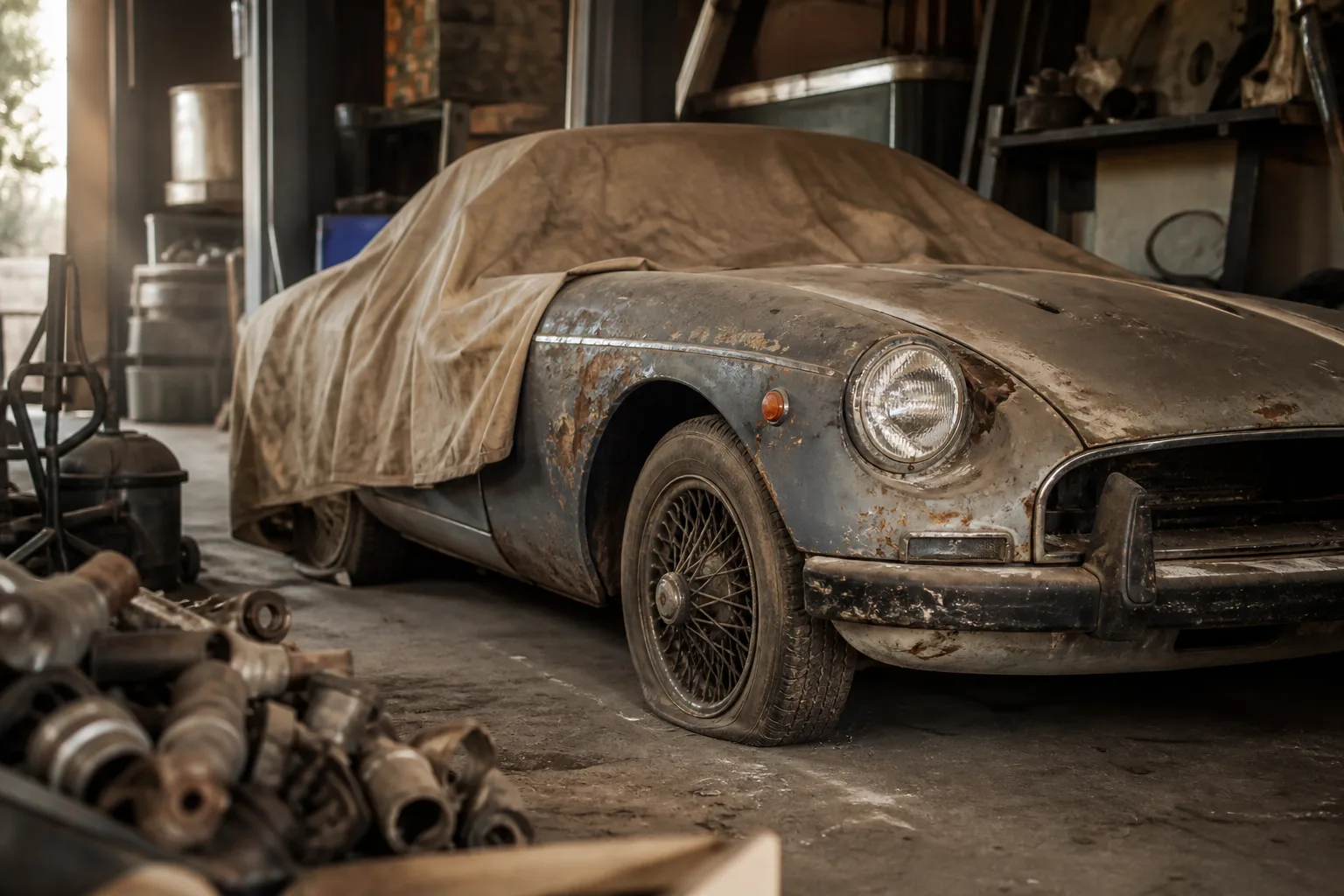
A classic car that needs work can still have real market value, but the value depends less on hope and more on condition, completeness, originality, and who the right buyer is. If you have inherited a non-running Mustang, found a long-stored Porsche in a Pasadena garage, or are handling the selling of old cars as part of an estate, the first question is usually not, “Should we restore it?” It is, “What is this car worth as it sits?”
That is the right place to start. Most project cars do not become more profitable just because someone spends money on them. Some are best sold exactly as found. Others benefit from basic cleanup, paperwork, and careful presentation. The trick is knowing the difference before you put money into repairs you may not get back.
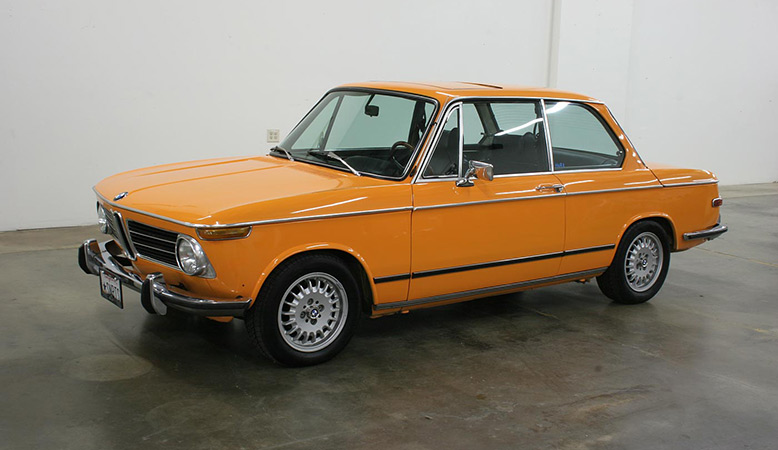
What “needs work” does to classic car value
“Needs work” is not one thing. A stored car with dry fuel, old tires, and cosmetic wear is very different from a car with heavy rust, missing trim, no title, and a seized engine. Buyers price those risks in immediately.
Running versus non-running
A running car usually brings stronger interest because buyers can hear it, see it move, and make a better judgment about what comes next. A non-running car can still sell well, especially if it is a desirable model, but it narrows the buyer pool. The buyer has to assume more unknowns, and unknowns lower value.
That does not mean you should force a long-stored car to run. If a vehicle has been sitting for years, an attempted startup can cause damage or create an ugly first impression. In many cases, careful documentation matters more than a risky jump-start video.
Rust matters more than bad paint
Cosmetic flaws are one thing. Structural rust is another. Faded paint, torn upholstery, and cracked rubber are common on project cars and often expected. Rust in floors, frame sections, rockers, suspension pickup points, or trunk pans changes the economics fast because metal repair is expensive and time-consuming.
For many buyers, rust is the first thing they are trying to avoid. A straight, complete car with tired cosmetics can be more appealing than a freshly painted car hiding corrosion.
Missing parts lower value faster than many sellers expect
A car that is mostly complete is easier to value and easier to sell. Missing bumpers, glass, trim, seats, gauges, engine components, or hard-to-find model-specific pieces can hurt value because replacements may be scarce or costly. This is especially true for unusual imports, limited-production cars, and older coachbuilt or specialty models.
If parts are off the car but still present, keep them together and photograph them. Loose original parts often help more than sellers realize.
Originality still counts
Original drivetrains, factory colors, matching tags, and period-correct features can support value, even on a car that needs restoration. A modified car can still be desirable, but the market for it may be narrower. Buyers often pay for authenticity because it gives them clearer options, whether they plan preservation, restoration, or resale later.
What project-car buyers look at first
Buyers of restoration candidates tend to make decisions in a predictable order. Before they think about polish or paint, they look at the hard parts.
- Identity: title status, VIN tags, chassis numbers, and any history that supports what the car is
- Body and structure: rust, collision damage, panel fit, and signs of previous repairs
- Completeness: whether major mechanical and trim pieces are present
- Originality: engine, transmission, interior, colors, and factory equipment
- Desirability: model, options, transmission type, body style, and collector demand
- Documentation: old registrations, service records, photos, ownership history, and manuals
That is why a dusty garage-find car can sometimes outperform a cleaner but pieced-together one. The market often rewards honesty and completeness.
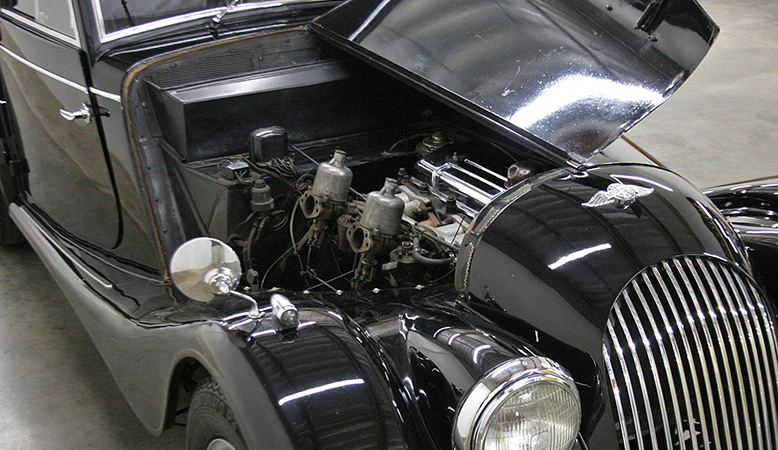
Should you repair it first or sell it as-is?
Most sellers should be careful about repair-first thinking. A project car is not like a modern commuter car where fixing one obvious issue may raise resale value in a straightforward way. On an older collector vehicle, repair costs can escalate quickly, and the market may not repay those costs.
When basic prep can help
Some light work may improve saleability without turning into a restoration project:
- Gathering keys, title, and paperwork
- Washing years of dust off the exterior
- Cleaning out the trunk and interior
- Organizing loose parts
- Taking clear photos of the undercarriage, engine bay, and VIN areas
- Confirming whether the engine turns by hand, if appropriate
These steps reduce uncertainty. They do not try to disguise the car.
When repairs usually do not pencil out
Major mechanical work, paint, upholstery, rust repair, and piecemeal parts chasing often make less sense for an estate seller, trustee, or adult child clearing a property. You can spend a great deal and still end up with a car that needs more. Buyers know this, and many would rather purchase a solid as-found car than one with partial work of unknown quality.
If you are unsure, a professional opinion is worth getting before authorizing repairs. A walkthrough estimate or market opinion can help you decide whether to sell immediately, consign, or consider a different route. For a formal value question tied to legal or tax needs, ask about appraisals and confirm with your attorney or tax professional what kind of valuation is actually required.
Where project cars find real buyers
Project cars usually sell best where the listing reaches people who already understand restoration risk. A general classifieds post can work for common vehicles, but unusual or estate-fresh cars often need better exposure and better screening.
Private listing
A private sale may make sense if you know the car well, have time to answer questions, and can deal with tire-kickers, transport logistics, and low offers. This route is often harder for executors and families who did not own the car themselves and cannot answer detailed originality or mechanical questions.
Scrap or quick local offer
A scrap offer is usually the wrong benchmark for a true classic, even a rough one. If the car is collectible, incomplete, or non-running, it may still be worth far more to a restorer, parts buyer, or marque enthusiast than to a recycler.
A specialist sale channel
That is where online auctions, consignment, and targeted marketing can help. An established buyer base is often the difference between a car being dismissed as a problem and recognized as a worthwhile project.
For sellers in Southern California, an auction house Los Angeles buyers already know can be useful when the car is part of a larger estate, when the family wants one point of contact, or when the vehicle needs to be presented to a broader audience than a local classified can reach.
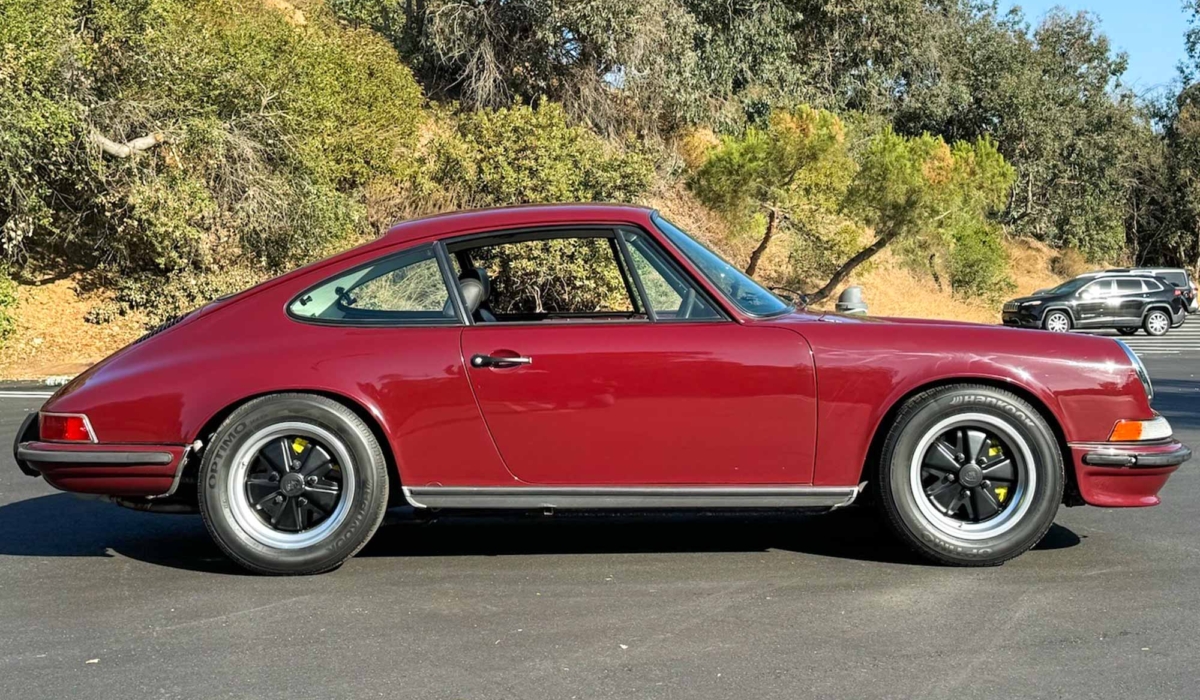
When an auction house makes more sense than a private sale
An auction house is not right for every vehicle, but it can be the better fit when the car has collector appeal and the seller needs professional handling rather than a do-it-yourself listing process.
This is especially true if the vehicle is one piece of a larger estate in Altadena, San Marino, Glendale, or Beverly Hills, where the household may also include art, jewelry, furniture, or other collectibles. In that situation, one team can assess what belongs in vehicle sales and what belongs in other sale channels.
Hughes Estate Sales & Auctions has handled collector vehicles as part of broader estate liquidations, and because the company has been doing this since 1978, the conversation tends to be practical: what the car is, what condition it is in, what market it belongs in, and whether selling now makes sense. If you are comparing auctions Los Angeles sellers use for estate property, that kind of grounded assessment matters.
Auction can also help when:
- You need a documented selling process
- You want competitive bidding rather than one negotiated offer
- The car is unusual enough that the right buyer may not be local
- You do not want strangers visiting the property
- You are settling an estate and want the vehicle handled alongside other assets
If you have been searching for auction houses near me, the better question is often which firm actually understands estate property, transportation, documentation, and collector demand, not just which one is closest.
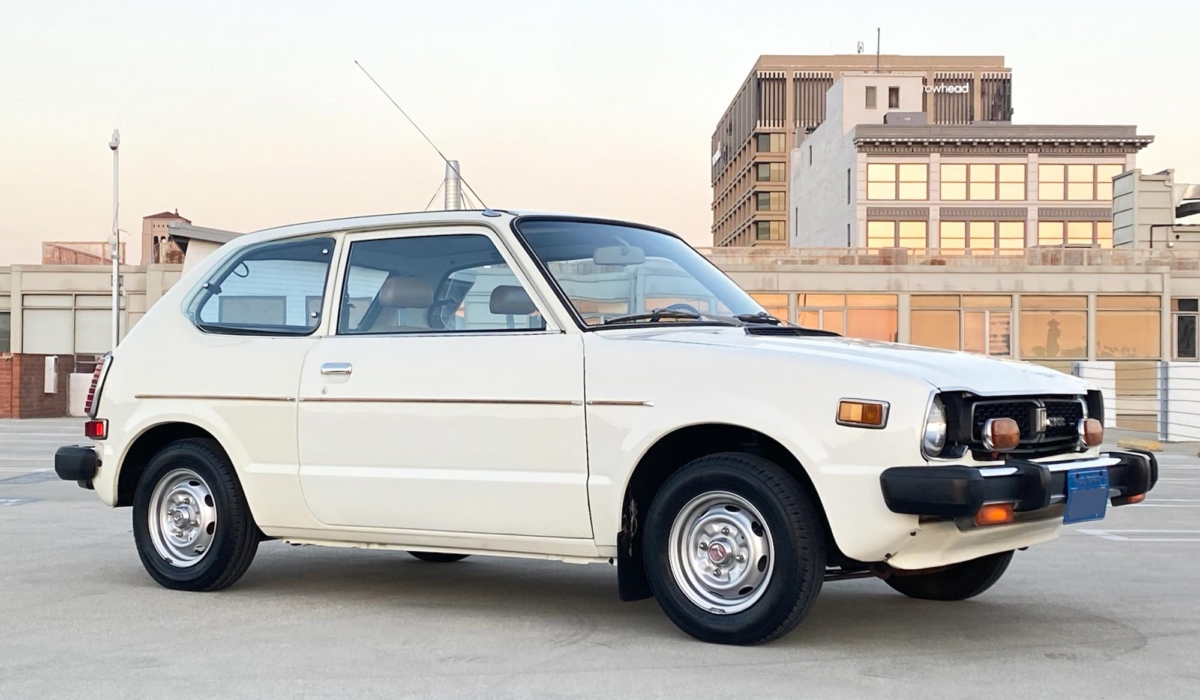
How to present a classic car that needs work
Honest presentation usually outperforms optimistic language. Serious buyers want to see what they are taking on.
Photograph the right things
- All four sides of the car
- Interior, dashboard, seats, and headliner
- Engine bay and trunk
- Undercarriage, wheel wells, and rust-prone spots
- VIN plates, tags, and stampings where visible
- Loose parts, manuals, records, and extra components
Describe what you know, and stop there
If you do not know whether the mileage is original or whether the engine was rebuilt years ago, say that you do not know. Estate sellers get into trouble when they repeat family lore as fact. Clean uncertainty is better than a confident mistake.
If you want a starting point for the sale process, Hughes has a dedicated Sell Your Classic Car page and a Request Estimate form for sellers who need an informed opinion before moving the car or spending money on it.
Frequently asked questions
Is a non-running classic car still worth trying to sell?
Yes, often. A non-running collector car may still have strong value if it is desirable, complete, and structurally sound. The fact that it does not run lowers the buyer pool, but it does not make it scrap.
Should I get it running before listing it?
Not automatically. If the car has been stored for a long time, trying to start it without proper inspection can create damage. Basic documentation and honest photos may add more value than a rushed mechanical attempt.
Do original parts matter if the car needs full restoration?
Usually, yes. Original engines, transmissions, trim, wheels, and interior pieces can matter a great deal because replacements may be difficult to source. Even worn originals can be important to value.
What if the title is missing?
That can affect value and saleability, but the impact varies by vehicle and situation. Procedures differ by state and by estate circumstances, so confirm the next step with the DMV, your attorney, or the court if probate is involved.
How do I know what market the car belongs in?
You start with the model, condition, originality, and paperwork. A common project car may do fine in a local private sale. A rarer or more complete vehicle may benefit from broader exposure through consignment or auction.
What to do next if you have a project car in an estate
Before you clean it too aggressively, move it, or pay for repairs, gather the title, keys, records, and any loose parts. Take clear photos of the body, interior, engine bay, and rust areas. Then get a professional opinion on the car as it sits.
That is usually the safest way to learn whether you have a parts car, a straightforward project, or a collector vehicle that deserves wider marketing. If the car is in a garage in Pasadena, tucked behind boxes in South Pasadena, or part of a larger property clear-out in Pacific Palisades, a free estimate can help you decide what to sell as-is, what to consign, and what not to spend money on first. To talk it through, contact Hughes Estate Sales & Auctions at (626) 791-9600, email info@hughesauctions.com, or use the estimate request form online.
