
A single-owner collection auction is exactly what it sounds like: an auction built around one person’s collection, one estate, or one focused group of property, rather than a mix of consignments from many sellers. The result feels different from a standard multi-estate sale. The material has a point of view, the catalog tells a more coherent story, and bidders are often responding not just to individual lots, but to the strength of the collection as a whole.
For sellers, that format can matter. If you have spent years building a serious collection, or you are handling an estate where the collecting was thoughtful and deep, grouping those pieces together may present them better than scattering them across unrelated sales. For buyers, these events can be more interesting to follow because they offer context, consistency, and the chance to buy from a collection that reflects one eye, one household, or one area of expertise.

How a single-owner collection auction differs from a multi-estate sale
The main difference is focus. A multi-estate auction may include art from one house, jewelry from another, furniture from a third, and smalls from several consignors. That format works well for many situations, and it is a practical way to sell a broad range of property. A single-owner auction, by contrast, is organized around one source.
That source might be a longtime collector in San Marino, a downsizing household in Pasadena, or an estate in Beverly Hills with a strong concentration in one category. Instead of asking buyers to jump between unrelated material, the sale lets them see the collection on its own terms.
This often changes the tone of the event in a few important ways:
- Stronger identity: the sale has a clear theme, whether that is records, animation art, fine art, watches, furniture, or another specialty.
- Better context: pieces can be described in relation to each other, which helps buyers understand quality and collecting patterns.
- More targeted marketing: promotion can be aimed at the buyers most likely to care about that category.
- More engaged bidding: collectors often pay attention when a fresh, well-kept collection comes to market intact.
That is why a true single owner auction tends to feel less like a general sale and more like an event.
Why one estate can become the whole show
Not every estate should be handled this way. The format works best when the property has enough depth, enough quality, or enough personality to stand on its own.
Sometimes that means a collector spent decades buying within one lane. Sometimes it means the house contains several categories, but all at a level that supports a dedicated presentation. In either case, the collection itself becomes part of the appeal.
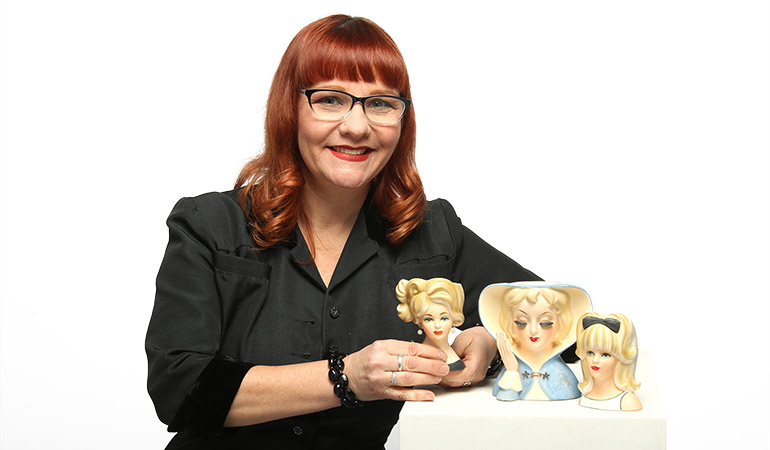
The Mark Perry Collection is a useful example of the format. What makes a sale like that compelling is not only the objects one by one, but the fact that buyers are seeing a body of material assembled by one person over time. That creates continuity. It also creates trust, especially when the collection shows knowledge, selectivity, and consistency.
For buyers, provenance in the broad sense matters. They want to know where material came from, how it was kept, and whether the grouping suggests care rather than accumulation. A single-owner event answers some of those questions before the first bid is placed.
What consignors gain from the format
For the seller, the biggest benefit is presentation. A strong collection can lose some of its meaning when broken apart too early or folded into a broad sale where its best qualities are not obvious.
When one estate becomes the center of the event, the auction house can spend more time on the collection’s internal logic. That may include identifying the strongest categories, separating routine material from standout lots, and deciding what belongs together in the catalog. The work is less about volume and more about shape.
That can be especially useful for:
- Executors and trustees handling a collector’s estate
- Adult children who know the collection matters, but do not know the market well
- Collectors thinning a major holding
- Referring attorneys and fiduciaries who need a clear, defensible sales process
It also gives the auction house a better story to tell in marketing. Hughes has been handling estate property since 1978, and that long view matters here. A house that has seen many collections come through can usually tell the difference between material that should be blended into a general sale and material that deserves its own stage.
What buyers gain from a more focused sale
Buyers tend to respond well to focused sales because they reward close attention. A serious collector browsing a general sale may only find a handful of relevant lots. In a specialized event, that same buyer may find dozens.
That is one reason a themed collectibles auction can attract a different level of interest than a mixed catalog. The audience is more specific, and the lots speak to each other.
Buyers also benefit from the cataloging itself. In a well-run single-owner sale, descriptions are not just item labels. They help establish category, condition, attribution where appropriate, and the relationship between one lot and the next. That makes bidding easier for experienced buyers and less intimidating for newer ones.
For people who follow estate auctions in Los Angeles, these sales can be some of the most memorable because they feel assembled rather than merely accumulated.
How collections are curated before they ever reach the catalog
Curating a single-owner sale starts with sorting, but it does not end there. The auction house has to decide what the collection actually is.
That sounds obvious, but it is not. Many estates contain a mix of categories and values. A house in Los Feliz might have mid-century furniture, California art, jewelry, books, and decorative objects all under one roof. The question is whether those pieces form one event, several smaller groups, or a combination of auction, buyout, and cleanout decisions.
For a single-owner format to work, the collection needs structure. The team has to identify:
- The core: what category or categories define the sale.
- The standouts: which lots deserve special photography, research, and promotion.
- The supporting material: what rounds out the collection without diluting it.
- The exclusions: what should be sold another way because it does not fit the event.
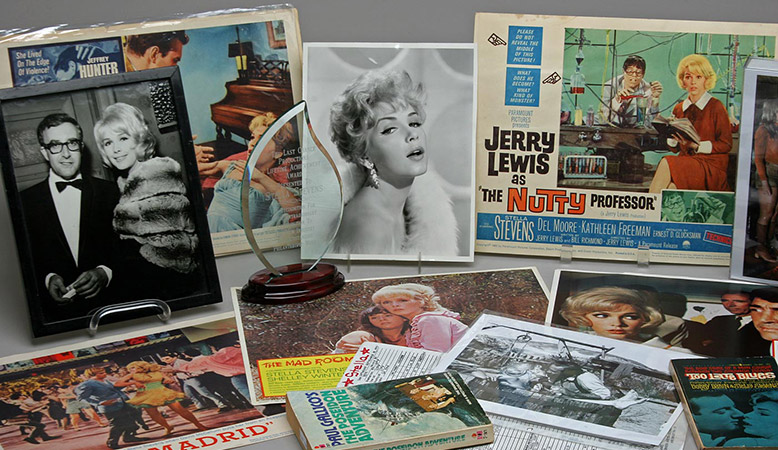
This is where experience matters. A house may contain pieces that belong in fine art, jewelry, furniture, rare books, or other specialty lanes. Hughes regularly works across those categories, including art, watches, designer furniture, Hollywood memorabilia, coins and currency, musical instruments, and collector vehicles. The point is not to force everything into one sale. It is to shape the right sale for the material.
Cataloging and marketing are what turn a collection into an event
Once the material is selected, the next step is documentation. Cataloging is where a single-owner auction either sharpens into a strong event or stays ordinary.
A good catalog does several jobs at once. It records the object, places it in a category, notes condition and relevant details, and signals to buyers why the lot belongs in this particular sale. For some property, a walkthrough opinion is enough to guide sale planning. For other situations, especially legal or tax matters, a formal written appraisal may be needed instead. Those are different services, and families should confirm with their attorney or tax professional what their situation requires.
Marketing follows the same logic. Instead of promoting a little bit of everything to everyone, the house can market the sale to the buyers most likely to care. Hughes brings a subscriber list of 13,000+ and worldwide marketing exposure to its auctions, which matters when the right buyer may be local, national, or overseas.
If you are trying to understand how that process begins, the company’s auction consignment information is a useful starting point.
When this format works, and when it does not
A single-owner collection auction works best when the material has depth, coherence, and enough buyer interest to support a dedicated presentation. That may include a focused category sale, a named estate auction, or a broader household collection with a strong collecting identity.
It may not be the right fit when the property is mostly everyday contents, when timing outweighs presentation, or when the estate needs a faster liquidation path. In those cases, an estate buyout or another selling format may make more sense. Some estates also require a mix of solutions, with stronger property consigned to auction and the rest handled separately.
That is also why antique auctions are only one part of the picture. Some collections are heavy in antiques. Others are strongest in modern design, California art, watches, animation art, or vehicles. The format should follow the material, not the other way around.
What to do if you think a collection may deserve its own sale
Start by resisting the urge to sort too aggressively on your own. Keep groups together, save paperwork if you have it, and make note of anything the collector seemed to value most. Context can help.
Then get an experienced opinion. A free consultation can tell you whether the property is better suited to a dedicated event, a broader auction, or another path entirely. If you are handling an estate in Pasadena, Altadena, San Marino, Glendale, or nearby neighborhoods, that first walkthrough can save time and prevent expensive guesswork.
When a collection has real shape, a single-owner auction can do more than sell objects. It can present a life’s collecting clearly, to the right audience, in a format that lets the estate be seen as more than a list of things. If that may be the case for your property, request an estimate and ask whether the collection should stand on its own.
