
If you are planning to sell through auction, the short answer is this: auction timing is usually measured in weeks to months, not days. At Hughes Estate Sales & Auctions, sales are typically scheduled one to twelve months out, and most consignments need at least two weeks from the first consultation to the point the property is photographed, packed, transported, cataloged, and placed into the right sale. If you have a move, an escrow deadline, or a house in Pasadena, San Marino, or Beverly Hills that needs to be cleared on a real schedule, that lead time matters.
This is where sellers often get tripped up. They are not asking only about the auction date. They are really asking about the full estate auction timeline: when to call, how long prep takes, what can happen fast, and what to do if the house holds both strong auction pieces and ordinary household contents.
What lead time should sellers expect?
For most sellers, the realistic planning window starts with a consultation and stretches through payment after the sale. Hughes’ stated practice is that auctions are typically scheduled one to twelve months out, and seller payment is made within 35 business days after the sale. That does not mean every consignment takes the full year, or that every property can be turned around immediately. It means the calendar depends on what you have, how much of it there is, what category it fits, and what else needs to happen at the property first.
If you are trying to line up a move from Los Feliz, settle a downsizing in South Pasadena, or prepare a property in Pacific Palisades for listing, it helps to think in stages rather than one single date.
Stage 1: initial estimate and fit
The first step is figuring out whether auction consignment is the right path for the items you want to sell. That usually starts with photos, a walkthrough, or both. The goal is not just to say “yes” or “no” to auction, but to sort the property into categories:
- Items that belong in auction
- Items better suited to an on-site estate sale
- Items that may need donation or removal later
That sorting step is what makes the rest of the timeline hold up. A house full of mid-century furniture, fine art, estate jewelry, rare books, or collector vehicles moves through a different process than a house where most of the value is in general household contents.
Stage 2: agreement and scheduling
Once the material is accepted, the next step is the consignment agreement and placement into the appropriate sale calendar. This is the part sellers tend to underestimate. An item is not ready for auction just because it is valuable. It still has to be assigned to the right sale, and the right sale may be weeks or months away.
That is one reason sellers ask when to consign to auction. The best time is usually before the deadline feels urgent. If you know a move, trust distribution, or home sale is coming, call early. More lead time gives you more options.
Stage 3: packing, transport, and intake
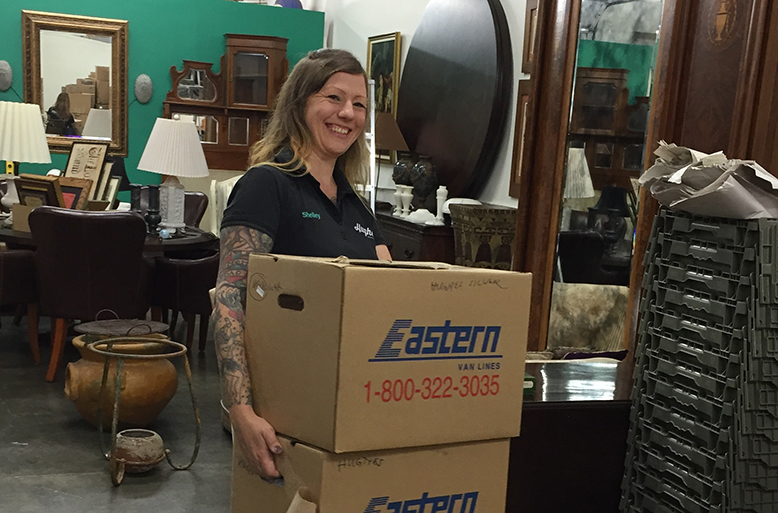
After scheduling comes the physical work. Items may need to be packed, transported, and checked in. For a single painting or watch, that can be straightforward. For a full household in Glendale or Brentwood, intake can be more involved because the team is handling furniture, art, decorative objects, books, ceramics, and other mixed categories at once.
This is one reason a minimum of two weeks from consultation to completion is a useful baseline for planning. Even when everyone is moving quickly, there are real steps between “we should sell this” and “it is live in the sale.”
Stage 4: cataloging and marketing
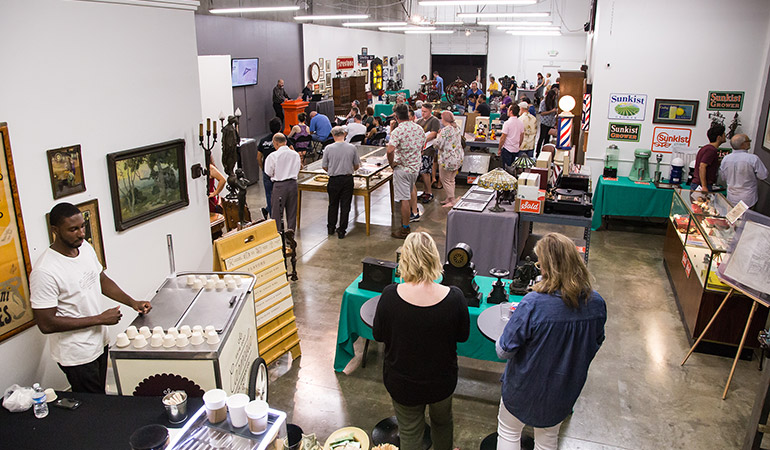
Before bidding opens, items are identified, described, photographed, and grouped into the right auction. Marketing matters here too. Hughes promotes sales to an email list of 13,000+ subscribers, with broader exposure beyond that. Strong presentation and the right audience can take time to prepare, especially for categories like California art, jewelry, watches, designer furniture, Hollywood memorabilia, or collector vehicles.
Stage 5: sale, settlement, and payment
Once the sale closes, the process is not finished that day. Post-sale settlement still has to happen. Hughes’ stated practice is payment to the seller within 35 business days after the sale. If you are coordinating with a trustee, executor, realtor, or attorney, that timing should be part of your planning from the start.
When should you call before a move, escrow, or downsize?
Call as soon as you know there is a real date on the horizon. That is the simplest answer.
If you are moving out of a house in Altadena, preparing a San Marino property for market, or helping a parent downsize in Westwood, do not wait until the last week to ask about auction. Auction can be the right path for better items, but it works best when there is enough time to sort, schedule, and place material properly.
A good rule is to call while you still have choices. Once the house must be empty by a certain day, the plan may need to combine several services instead of relying on auction alone.
What happens if the house has both valuable pieces and ordinary contents?
This is common, especially in long-held homes. A Pasadena Craftsman or Beverly Hills estate may have a few items that belong in auction, a larger group that makes sense for an on-site sale, and plenty that still has to be cleared out afterward.
The cleanest plan is often to sequence the work instead of forcing everything into one channel.
- Identify the high-value items first, such as fine art, jewelry, watches, rare books, coins, vintage audio, or a collector vehicle.
- Pull those pieces for auction consignment if they fit the sale calendar and category.
- Use an estate sale if the home still contains enough salable household contents to support an on-site event.
- Finish with a cleanout for what remains, especially if there is an escrow deadline or the property must be delivered empty.
That last step matters. A cleanout is not the same as auction, and it is not the same contract. At Hughes, cleanouts are handled end to end and built to hit escrow deadlines, with landfill diversion and donation through Union Rescue Mission. The cleanout itself carries a fee paid by the client, reduced by a Resale Credit for items Hughes buys and resells. Items with significant value that belong in auction are handled separately under a different agreement. If that stage becomes necessary, you can read more about estate cleanouts.
What slows the timeline down?
The biggest delays usually come from uncertainty at the property, not from the auction itself.
- Too much material has not been sorted yet
- Family members or co-trustees have not agreed on what is being sold
- The seller is waiting until the move is already underway
- The property needs several services, not just auction
- The best sale for the items is later on the calendar
None of that means the process is off track. It just means the timeline has to match the reality of the property.

What can move faster?
Single items or small groups of strong material can sometimes be simpler to place than an entire household. A watch collection, a painting, a group of rare books, or a vehicle may be easier to evaluate and schedule than a full house with mixed contents.
But faster is not always better. If your main goal is immediate liquidation, an estate buyout may be the better fit. Hughes states that full or partial buyouts typically close in one day to one week. That path is different from consignment, and it usually trades speed for the chance to wait for auction results.
Frequently asked questions
How long does auction consignment take from first call to sale?
It varies by category and calendar, but sellers should usually plan in weeks to months, not days. Hughes states that auctions are typically scheduled one to twelve months out, and most sales need at least two weeks from consultation to completion.
Can auction work if I have an escrow deadline?
Sometimes, but not always for everything in the house. If the deadline is tight, the plan may need to combine auction for select pieces, an estate sale for the broader contents, and a cleanout to finish the property on time.
Do I need a formal appraisal first?
Not always. A consultation or auction estimate is often enough to decide whether items are a fit for sale. A formal written appraisal is a different service and may be needed for legal, tax, or estate administration purposes. Check with your attorney, the court, or your tax professional if that question applies to your situation.
What to do if you are trying to plan backward from a deadline
Start with the date the house must be empty, listed, or turned over, then work backward. If you are still early, auction may be part of the best plan. If you are already close to the deadline, the right answer may be a combination of services rather than trying to push everything through one channel.
Hughes has been handling these transitions since 1978, and the first step is simple: request a free estimate, share photos or book a walkthrough, and ask what timeline is realistic for your property. That gives you a plan you can actually schedule against, instead of a guess.
