
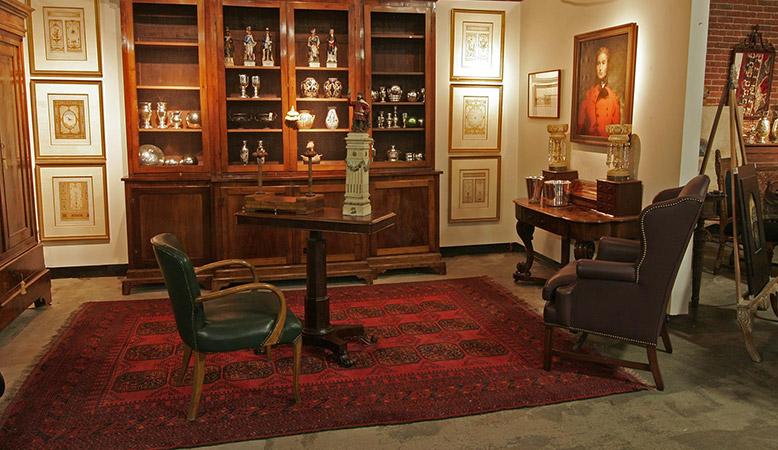
If you are trying to figure out what a piece of old furniture is actually worth, the first useful answer is this: an auction house does not value it by age alone. Antique furniture valuation is usually a step-by-step process that starts with photos or a walkthrough, moves into identification and condition review, and ends with an estimate range based on what comparable buyers are paying now.
That matters because two pieces that look similar in a Pasadena dining room can land very differently once someone checks the maker, construction, finish, repairs, provenance, and current demand. A carved sideboard may be decorative but common. A quieter piece with the right maker’s mark or untouched original surface may draw much stronger interest.
At Hughes Estate Sales & Auctions, consultations and estimates are free. For sellers in places like San Marino, South Pasadena, Beverly Hills, or Los Feliz, the goal is usually not a lecture on furniture history. It is a clear sense of what you have, what deserves closer attention, and whether it belongs in furniture auctions, another selling format, or a formal valuation document.
What happens first: photos or a walkthrough
The first pass is usually done from photos, or from an on-site walkthrough if you have a full house, a large collection, or pieces that need context. This stage is not about guessing from across the room. It is about screening for the details that affect marketability and likely range.
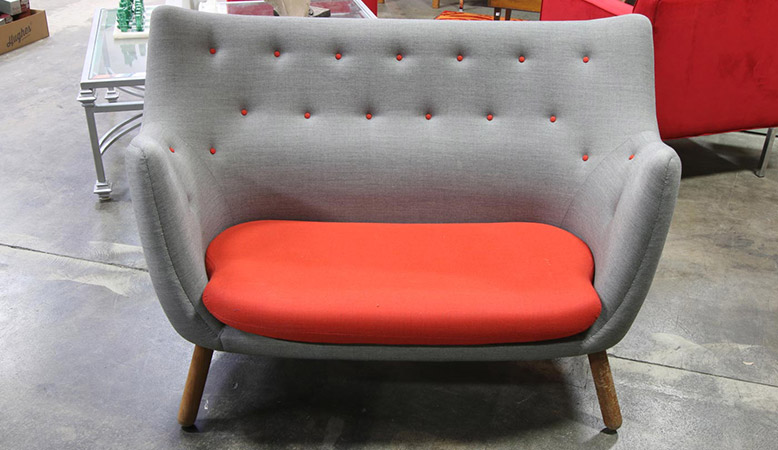
What photos should show
If you are requesting an estimate, the most useful photos are straightforward:
- Full front, side, and back views
- Close-ups of hardware, joints, feet, and carving
- Any labels, stamps, or maker’s marks
- Drawer interiors, undersides, and secondary wood when accessible
- Damage, repairs, missing parts, or refinishing
A single wide shot of a dark room rarely tells much. Good photos help an appraiser or specialist decide whether a piece needs a closer look, whether it is likely period or later, and whether it may fit auction consignment.
What a walkthrough adds
A walkthrough helps when the house itself tells part of the story. A long-held family home in Altadena or a furnished estate in Pacific Palisades may contain groups of furniture bought together, inherited together, or kept with old receipts and correspondence. Seeing the whole setting can also reveal patterns, original sets, and overlooked supporting material.
It is also practical. Large case pieces, dining sets, and fragile period furniture are not easy to assess from one or two phone snapshots. An in-person visit gives the auction house a better read on condition, scale, access, and whether other items in the home may belong in the same conversation.
What the appraiser or specialist is checking
Once the furniture is under review, the question is not simply, “Is it old?” The question is, “What exactly is it, how original is it, and who wants it now?”
Maker, workshop, or mark
The maker can move the number quickly. A stamped or labeled piece by a known cabinetmaker, designer, or workshop usually gets more attention than an unmarked example of similar form. That does not mean unmarked furniture has no market. It means attribution changes confidence, and confidence affects bidding.
Marks are not always obvious. They may be inside a drawer, on the back rail of a chair, under a tabletop, or partly worn away. A specialist will also look at how the piece is built to judge whether the mark makes sense.
Period and authenticity
A true period piece usually values differently from a later revival example. That distinction is one of the biggest drivers in the value of antique furniture. A nineteenth-century form copied in the early twentieth century may still be attractive and usable, but it does not trade the same way as an earlier original.
Construction details matter here: joinery, saw marks, wood species, hardware, veneer work, and wear patterns all help place a piece in time.
Condition, repairs, and original finish
Condition is often where expectations change. A seller may see a polished surface and assume that means better value. Buyers do not always agree. Original finish, even with honest wear, can be more desirable than heavy refinishing. Replaced hardware, rebuilt legs, patched veneers, ring stains, shrinkage cracks, and loose joints all affect how a piece is viewed.
That does not mean any repair is fatal. Good restoration can help a piece present well. But the type, extent, and visibility of repair all matter, and they matter differently depending on category and price level.
Provenance and paperwork
Provenance means the documented history of ownership or origin. For furniture, that can include receipts, old invoices, exhibition labels, family letters, photographs showing the piece in place, or prior appraisal documents. Provenance does not replace quality, but it can strengthen attribution and buyer confidence.
Without paperwork, a story may still be useful as a lead. With paperwork, it becomes evidence.
Design and market demand
Some furniture categories are simply stronger than others at a given moment. Mid-century modern has had sustained demand for years. Certain brown furniture categories, even well made ones, can be softer. Scale matters too. A grand formal dining set may be harder to place than a smaller chest, pair of lamps, or clean-lined side table because buyers live differently than they used to.
This is why antique furniture worth money is not always the oldest or most ornate piece in the room. The market rewards a mix of quality, originality, function, and current taste.
How cataloging shapes the estimate
After identification comes cataloging. This is where the auction house turns observations into a sale listing: title, attribution, dimensions, materials, condition notes, and the estimate range buyers will see in the catalog.
The estimate is not a guarantee. It is a professional opinion of a likely selling range based on comparable results, present demand, and the specifics of the piece in front of them. That range helps buyers decide where to engage, and it helps sellers understand the market without promising an outcome.
Cataloging also forces precision. “Antique cabinet” is vague. “George III style mahogany breakfront bookcase, later” is more useful. So is “pair of mid-century walnut lounge chairs, attributed to...” if the attribution is supportable, or “in the manner of...” if it is not fully documented. Those distinctions are not word games. They directly affect bidder trust.
For sellers who want to understand how pieces are placed in the broader sale calendar, Hughes also outlines its general auction categories and specialties online.
A walk-in estimate is not the same as a formal appraisal
This distinction matters. A free auction estimate or walkthrough opinion is meant to help you decide whether an item is a fit for sale and what range it may bring in the auction market. It is sales-focused and market-based.
A formal written appraisal is a different product. It is prepared for a specific purpose, such as estate administration, insurance, donation, or tax reporting, and the valuation standard may be different from an auction estimate. Procedures also vary by county and situation, and legal or tax uses should be confirmed with your attorney, the court, or your tax professional.
If you need that type of document, ask specifically for appraisals, not just an estimate. Using the wrong valuation for the wrong purpose can create problems later.
What tends to raise or lower the number
Most value shifts come from a handful of practical factors working together, not from one magic trait.
- Raises confidence: clear maker attribution, strong original design, good scale, solid provenance, and intact condition.
- Lowers confidence: heavy refinishing, major replacements, weak attribution, missing parts, unstable structure, or a category with soft demand.
- Can cut both ways: rarity. Rare is only helpful if buyers actually want the form, maker, or style.
This is why antique furniture valuation can feel less intuitive than people expect. Sentimental importance, age, and original purchase price may have very little to do with current auction demand.
Frequently asked questions
Can you value antique furniture from photos alone?
Sometimes, at least for an initial estimate. Good photos can be enough to tell whether a piece merits consignment, closer inspection, or a different route. Final opinions are stronger when marks, construction, and condition can be examined clearly.
Does refinishing always hurt value?
No, but it often changes it. On many older pieces, original finish is preferred. On others, careful restoration may improve marketability. The effect depends on the category, quality, and how the work was done.
Is older furniture always worth more?
No. Age is only one factor. Maker, authenticity, condition, size, and buyer demand often matter more than age alone.
What if I need a value for probate, tax, or insurance?
Ask for a formal written appraisal, not a sale estimate. Those are different services with different purposes.
What to do before you ask for an estimate
Take clear photos, gather any receipts or family paperwork, and do not clean or refinish anything before someone has looked at it. Even small changes can remove clues that help identify age, originality, and market position.
If you have one piece, send photos and the basic story. If you have a house full of furniture, ask for a walkthrough. Hughes offers free consultations and estimates, and you can request an estimate to find out what deserves a closer look and what the market is likely to do with it.
