

An estate cleanout is a structured process for clearing a home after a death, a move, a downsize, or a major life change. The work usually starts with a walkthrough, then moves room by room through sorting, identifying valuables, setting aside donations, removing trash, and finishing with a final sweep so the property is ready for its next step.
If you are facing this in Pasadena, San Marino, Glendale, or anywhere nearby, it helps to know what actually happens inside the house. A professional cleanout is not just hauling. The useful part is the evaluation, deciding what should stay with the family, what may be bought and resold, what belongs in auction consignment, and what can be donated or discarded.
At Hughes Estate Sales & Auctions, founded in 1978, that process is built for families on real deadlines, including escrow timelines and trust or probate-related transitions. Here is what a cleanout usually looks like from the first visit to the last broom pass.
It starts with a walkthrough, not a dumpster
The first step is a visit to the property. During that walkthrough, the team looks at the overall volume of contents, the mix of everyday household goods versus specialty items, access issues like stairs or parking, and any timing pressure tied to a listing, sale, or move-out date.
This is also when you point out anything the family already knows is staying, such as photo albums, legal papers, jewelry, or a few pieces of furniture. If there are questions about art, watches, coins, vehicles, or collections, those are flagged early so they are not treated like general household contents.
Many Los Angeles families are surprised by how much depends on this first visit. A good walkthrough shapes the labor plan, the donation stream, and whether some items belong in auction consignment instead of the cleanout itself.
Before work begins, a plan is set for what goes where
Once the house has been seen in person, the cleanout plan is usually divided into a few categories. This keeps the job orderly and helps prevent mistakes.
- Family keep items: papers, photographs, heirlooms, and anything you have already claimed.
- Items Hughes may buy for resale: these can reduce the cleanout fee through a Resale Credit.
- Items with significant value: these may be better handled under a separate auction contract, not folded into the cleanout math.
- Donations: usable goods that can be diverted from the landfill.
- Disposal: broken, unsafe, or unsellable material.
This distinction matters. A cleanout is a fee paid by the client. It is not free, and it does not “pay for itself.” The fee may be reduced by a Resale Credit for items Hughes buys and resells. If an item has significant value, it is typically handled separately through auction, not used as an offset inside the cleanout contract.
What happens room by room
Living room, dining room, and entry
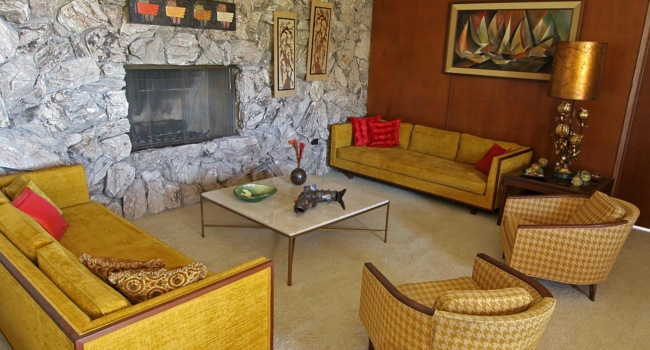
These front rooms often hold more value than families expect, just not always in the obvious places. Art on the wall, bronzes, lamps, rugs, mid-century furniture, pottery, and decorative objects are checked carefully. In older Pasadena and South Pasadena homes, it is common to find a mix of family furniture, California art, and better smalls tucked into cabinets and sideboards.
At this stage, the team sorts visible valuables from general contents. Items that may fit future art auctions or other specialty sales are separated so they are not packed with donations by mistake.
Bedrooms and closets
Bedrooms usually take longer than people think. Closets hold clothing, handbags, linens, keepsakes, and sometimes jewelry boxes or watch cases that were put away years ago. Nightstands and dressers are checked for personal papers, cash, coins, and sentimental items before anything is removed.
This is often the most emotional part of the house. A careful team moves slower here, labels family keeps clearly, and avoids treating everything like bulk contents.
Kitchen, pantry, and laundry area
The kitchen is usually less about resale and more about sorting. Everyday dishes, cookware, pantry goods, cleaning supplies, and small appliances are separated into donation, disposal, or family keep categories. Unopened usable goods may be donated when appropriate. Expired food, open chemicals, and worn-out household items are usually disposed of.
Laundry rooms and utility spaces also tend to collect paperwork, spare keys, hardware, and boxed items that have not been opened in years. Those areas are checked before they are cleared.
Office, den, and file cabinets
This is where cleanouts slow down for a reason. Home offices can contain tax records, trust documents, stock certificates, deeds, military papers, and family correspondence. Hughes is not a law firm or tax advisor, so legal or tax decisions should be confirmed with your attorney or tax professional, but the practical part is simple: documents are identified and set aside, not tossed in with recycling.
If a family has not yet reviewed papers, the office may be packed and held aside for later sorting rather than rushed.
Garage, basement, and storage areas
Garages are where estate cleanout services often become much larger than expected. Tools, hardware, paint, auto parts, old signage, sporting goods, vintage audio, and boxes from prior moves tend to gather here. In Altadena, Glendale, and Beverly Hills properties alike, the garage can hold the most work and the most surprises.
This is also where vehicles, collector parts, and specialty equipment may come into the picture. If there is a classic car or motorcycle on site, that should be flagged early so it can be evaluated separately.

How valuables are pulled out before the cleanout continues
A professional cleanout does not clear the house in one blind sweep. As rooms are opened up, items with resale or auction potential are pulled aside first. That can include fine art, estate jewelry, watches, designer furniture, rare books, coins and currency, Hollywood memorabilia, musical instruments, and collector vehicles.
Hughes has handled these categories for decades, and the valuation questions tend to surface before the first box is packed. Spotting the piece that needs a specialist early often decides where it ends up.
When timing matters more than waiting for auction dates, some families ask about a buyout instead. In that case, a faster path may be a cash purchase rather than consignment. Hughes discusses that option here: how a cash estate buyout works in Los Angeles.
How the Resale Credit works in plain language
The cleanout fee covers the labor and logistics of emptying the property. That fee can be reduced by a Resale Credit for items Hughes buys and resells from the job.
That is different from saying the cleanout is free, and it is different from saying auction proceeds offset the bill. They do not work the same way. A cleanout contract and an auction contract are separate. If there are items with significant value, those may be consigned under a different agreement and sold on a different timeline.
If you want a broader explanation of how estate cleanout services are structured, it helps to review the process before the crew arrives.
What gets donated, and what gets thrown away
Not everything valuable is valuable enough for resale, but that does not make it trash. One of the most useful parts of a professional cleanout is having a real donation stream. Hughes works with Union Rescue Mission to divert usable goods from the landfill whenever possible.
That means furniture, housewares, clothing, and other serviceable items can often be routed to donation instead of mixed into debris. Broken particleboard furniture, damaged mattresses, spoiled food, or unsafe chemicals are a different matter and usually go to disposal.
This is one reason many families choose experienced estate clean outs instead of a basic hauling crew. The point is not that it costs less. Sometimes it does not. The point is that someone is evaluating what is there before it leaves the property.
How long an estate sale clean out usually takes
Most cleanouts move faster than auctions and more carefully than junk removal. The exact timeline depends on the size of the property, the amount of sorting required, access, and whether valuables need separate handling.
For some homes, especially when the family has already removed keepsakes, the work can move quickly. For others, especially packed houses with paperwork, collections, or decades of storage, it takes longer. If the home is headed to market, the cleanout is usually scheduled backward from the escrow or listing date so there is enough time for sorting, hauling, donation, and a final sweep.
When families use an estate sale clean out after an on-site sale, the remaining contents are usually much lighter, but there is still real work left to do.
What the house looks like at the end
By the final day, the goal is simple: the agreed contents are out, the donation and disposal streams are complete, and the property is broom-clean or ready for the next vendor. That may mean listing photos, repairs, staging, or handing the keys over to a buyer.
If you are staring at a full house and do not know where to start, begin with a walkthrough. Hughes offers free consultations and estimates, and the first visit usually answers the question you need answered most: what stays, what goes, and what deserves a second look. You can learn more about our estate cleanout service or request a visit through the contact page.
