
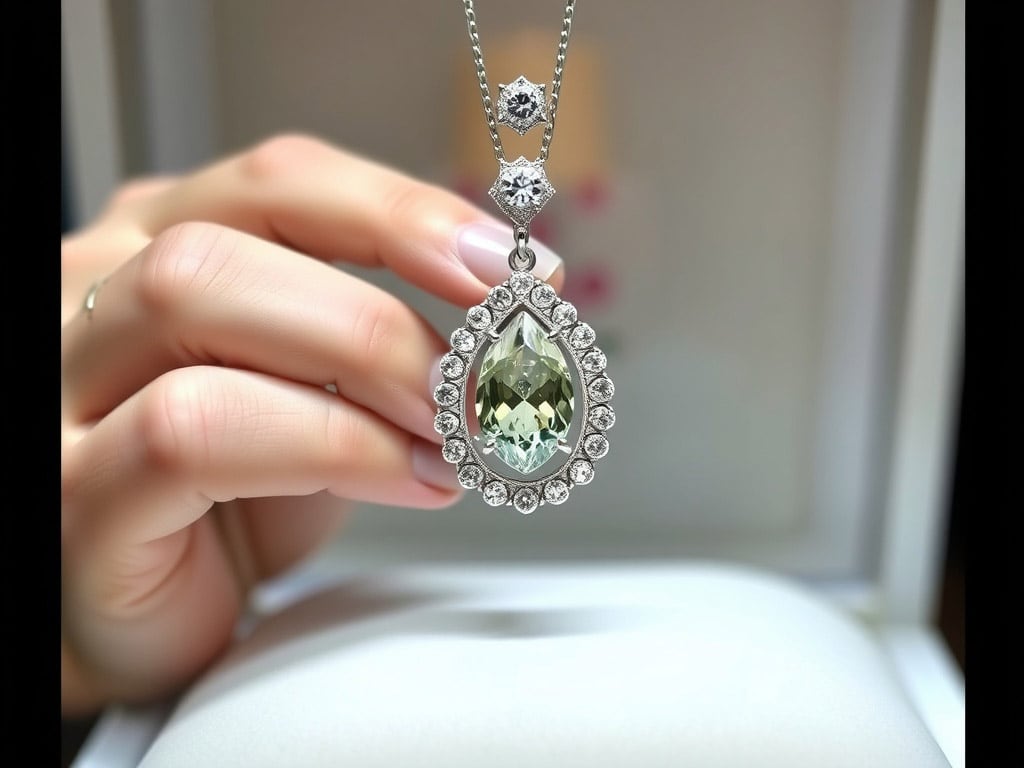
When Larry Hughes founded this business in 1978 on Holly Street in Pasadena, the mission was simple: find the hidden treasures that others overlook. Over the last 45 years, we have opened thousands of jewelry boxes in homes from San Marino to Silver Lake. The story is almost always the same. A family inherits an estate, and they hand us a tangled Ziploc bag of what they call "Grandma’s old costume jewelry." They usually apologize for the mess, assuming it is all glass beads and brass.
Then we start sorting.
We push aside the plastic bangles and the tarnished chains. But then, we spot a watch face that looks familiar. We turn it over, check the serial number, and suddenly, that "old broken watch" turns out to be a Rolex Daytona that we eventually sold for $60,000.
Shopping for jewelry, or selling it, can feel overwhelming when you are trying to decide between fine jewelry and costume jewelry. Whether you are looking for an antique jewelry appraisal or just trying to organize your own collection, understanding the difference is the first step to knowing what you actually have.
Key Takeaways
- Fine jewelry is defined by the use of precious metals, like gold and platinum, as well as natural gemstones, giving it heirloom potential and long-term value.
- Costume jewelry is crafted from base metals like brass and imitation stones, making it perfect for affordable, trendy fashion experiments.
- You can identify real gemstones by the "Temperature Test", real stones will feel noticeably cold to the cheek, while glass feels warm.
- Glue residue on the back of a setting is a sure sign of costume jewelry, whereas fine jewelry uses metal prongs to secure stones.
- Mixing fine and costume jewelry is a popular styling choice, allowing you to blend investment pieces with fun, everyday accessories.
The Core Difference: Ingredients Matter
At its most basic level, the difference between the two categories comes down to the materials used. Fine jewelry is a luxury investment designed to last for generations. It is crafted from real precious metals like gold, platinum, and sterling silver, and set with genuine natural gemstones like diamonds, sapphires, and emeralds. Because of these materials, fine jewelry retains intrinsic value and can often be passed down as a family heirloom.
Costume jewelry, on the other hand, is fashion-forward and designed for the moment. It is typically crafted from affordable base metals like brass, copper, or plated alloys. The gems you see are usually crystals, glass, or synthetic stones. While costume jewelry doesn't carry the long-term investment value of fine pieces, it allows for bold, trendy experiments without the high price tag.
1: The Temperature Check (No Tools Required)
So, how do you tell them apart without a lab? The oldest trick in the book requires nothing but your own skin. Real crystalline stones disperse heat differently than glass. If you pick up a "diamond" brooch and it feels room temperature or warms up instantly in your hand, it is likely glass or plastic.
However, if you touch the stone to your cheek and it feels ice cold, and stays cool for several seconds, you might be holding a genuine gemstone. Real diamonds and sapphires pull heat away from your skin, giving them that distinct, chilly feeling. If it’s cold, put it in the "Keep" pile immediately.
2: Construction and Hallmarks
The second giveaway is engineering. Fine jewelry makers never use glue to secure valuable stones. If you flip a ring over and see clear, hardened residue behind the setting, you are almost certainly holding costume jewelry. Fine jewelry secures stones with metal prongs or bezels.
You should also look for the "fingerprints" of the maker, known as hallmarks. On fine jewelry, you will find tiny stamps indicating purity, such as 585 (14k Gold), 750 (18k Gold), or 925 (Sterling Silver). If you see a stamp that says 1/20 12K GF, that stands for Gold Filled. This is a high-quality plated material that sits somewhere between costume and fine.
Why Costume Does Not Mean Junk
One of the biggest misconceptions we see is that costume jewelry belongs in the trash. That is simply not true. Vintage costume pieces from designers like Miriam Haskell, Chanel, or Trifari are highly collectible. While they may be made of brass and glass, their design history makes them valuable at auction.
In fact, modern style encourages mixing the two. You can easily pair a fine gold bracelet with trendy stackable bangles, or layer a real diamond pendant with a fashion-forward statement necklace. Blending fine and costume pieces is a chic way to balance luxury elegance with playful trends.
The Hughes Solution: Don't Guess, Get it Valued
The most dangerous thing you can do is assume something is fake because it looks dirty. Real gold gets dirty. Real diamonds get clouded by soap and lotion. If you are sorting through an estate and feel unsure, do not guess. What looks like a fun rhinestone brooch might be a rare antique.
At Hughes, we offer multiple paths for your collection. For high-value fine jewelry and luxury watches that need a global audience, our online auctions place your items in front of 13,000+ potential buyers. If you prefer a quicker solution, our estate buyouts can provide a cash offer for the entire collection, often with a turnaround time as fast as 1 day to 1 week.
Found something sparkly?
Contact us today for a free evaluation. We have been separating the costume from the fine in Los Angeles since 1978. Let us help you find the treasure in your collection.
FAQs
1. Does Hughes buy costume jewelry?
Yes, but we are selective. We look for "investment quality" costume jewelry, specifically vintage designer pieces or large estate collections. For standard costume jewelry, we often sell it in bulk lots through our estate sales.
2. How fast can I get a valuation?
For estate buyouts, we pride ourselves on speed. We can often assess a collection and finalize a transaction within 1 day to 1 week. For auction consignments, we provide estimates after a physical inspection.
3. Which jewelry is better for gifting?
It depends on the occasion. Fine jewelry is perfect for milestones like engagements and anniversaries where longevity matters. Costume jewelry is great for casual gifts, stocking stuffers, or trendy surprises.
4. I have a watch that looks like a Rolex but I'm not sure. Can you check it?
Absolutely. We specialize in timepieces and have achieved record results for brands like Rolex. Do not try to open the back yourself, as you might scratch it. Bring it to our Altadena showroom for a professional opinion.
5. Do you handle entire estates, or just jewelry?
We handle it all. From the jewelry in the safe to the vintage car in the garage, Hughes is a full-service liquidation firm. We can manage the estate cleanout, buy the assets, or consign them to auction.
