
You have a painting, a watch collection, or a houseful of antiques, and you know the items are worth real money. But you're not sure how to sell them without leaving value on the table. Auction consignment is one of the most effective ways to reach serious buyers and let the market set the price, yet the process can feel opaque if you've never done it before.
This guide walks through every step, from the first phone call to the final check, so you know exactly what to expect.
What auction consignment actually means
When you consign items to an auction house, you're authorizing that company to sell your property on your behalf. You retain ownership until the hammer falls. The auction house handles appraisal, marketing, cataloging, and the sale itself, then pays you the proceeds minus an agreed-upon commission.
Think of it like hiring a specialist broker. You bring the goods; they bring the buyers, the expertise, and the infrastructure to run a competitive sale.
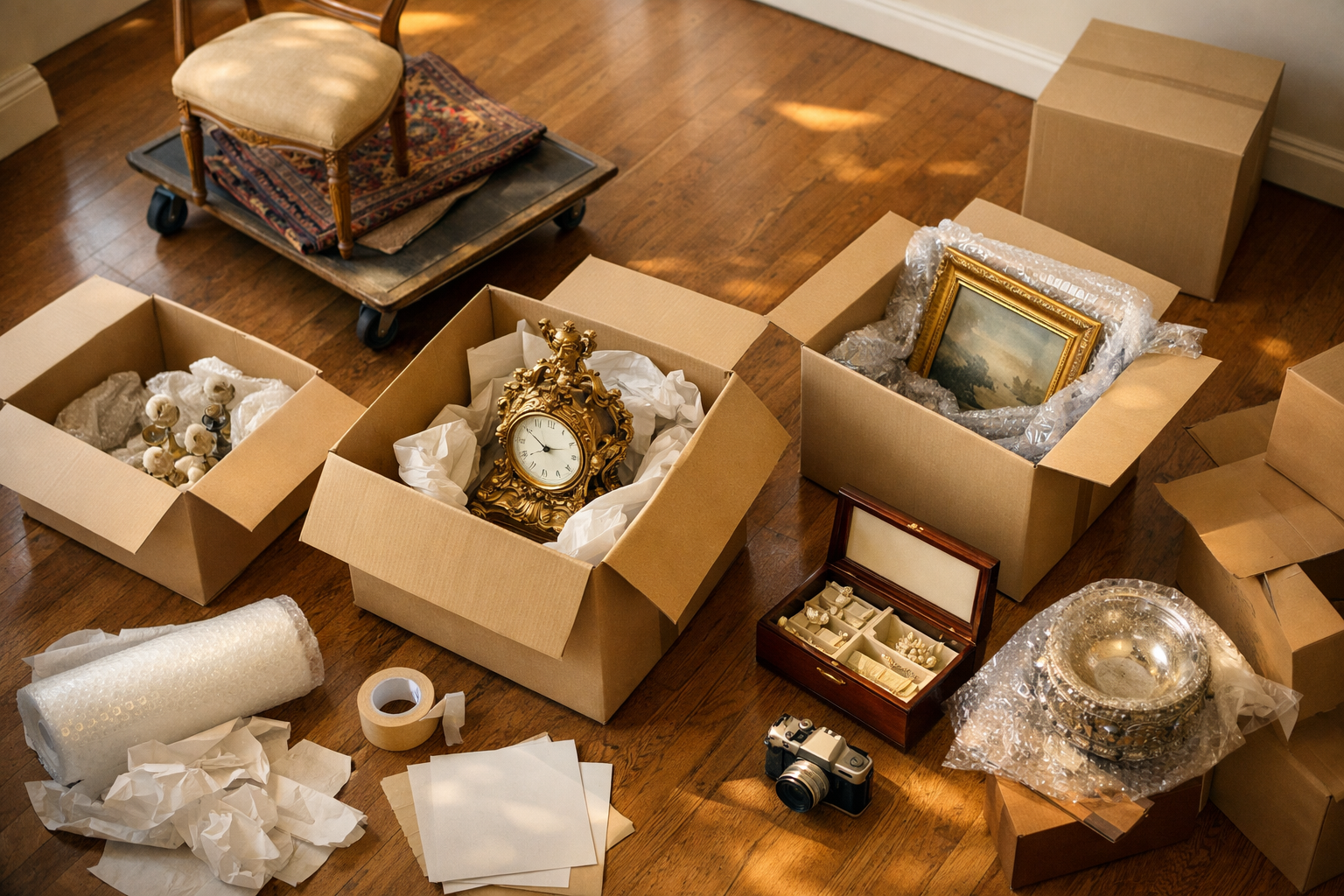
Step 1: The initial evaluation
Everything starts with a conversation. You contact the auction house with a description or photos of what you want to sell, and a specialist reviews the items to determine whether they're a good fit for an upcoming sale.
This evaluation usually covers:
- Authenticity and condition
- Market demand and recent comparable sales
- A preliminary estimate of what the items might bring
Most reputable houses offer this consultation at no charge. For larger collections or full estates, the team may visit in person. If you're trying to sell items at auction in Los Angeles, a local house with deep knowledge of the regional market can give you a sharper estimate than a national firm working from photographs alone.
Step 2: The consignment agreement
Once both sides agree to move forward, you'll sign a consignment agreement. This is the document that governs the entire relationship, so read it carefully. Key terms to look for:
- Commission rate: The percentage the auction house keeps from the final sale price. Rates vary by house, by category, and sometimes by the value of the lot. Ask for a clear breakdown.
- Reserve price: The minimum amount below which the item will not sell. You and the auction house set this together. A reserve protects you from giving away a valuable piece in a thin room.
- Buyer's premium: A separate fee charged to the buyer on top of the hammer price. This doesn't come out of your pocket, but it affects what buyers are willing to bid.
- Additional fees: Some agreements include charges for photography, insurance, shipping, or storage. These vary widely. Ask upfront so there are no surprises.
- Payment timeline: How long after the sale you'll receive your money. Standard windows range from 30 to 45 business days.
If anything in the agreement is unclear, ask. A good auction house will explain every clause without rushing you.
Step 3: Cataloging, photography, and marketing
This is where the auction house earns its commission. Once your items are received, the team catalogs each lot with detailed descriptions, condition notes, and provenance when available. Professional photography follows.
Marketing is what separates a well-run auction from a garage sale with higher ceilings. Strong houses promote lots through email campaigns, social media, targeted outreach to known collectors, and listings on major auction aggregator platforms. Hughes Estate Sales & Auctions, for example, markets to a subscriber list of more than 13,000 active buyers, which directly affects bidder turnout and final prices.
If you're wondering how to sell at auction for the first time, this marketing phase is often the biggest advantage over selling privately. You're reaching qualified buyers you could never access on your own.
Step 4: The sale
Auctions today run in several formats: live in-person events, timed online sales, or a hybrid of both. Online auctions have expanded the buyer pool dramatically, allowing bidders from around the world to compete for your items.
During the sale, the auctioneer opens each lot, takes bids, and closes at the highest offer. If bidding doesn't reach your reserve, the item is "passed" or "bought in," meaning it doesn't sell. You and the auction house then decide whether to re-offer it at a future sale, adjust the reserve, or return the item to you.
Step 5: Settlement and payment
After the auction closes, the house collects payment from buyers, deducts its commission and any agreed-upon fees, and sends you the balance. At Hughes, consignors are typically paid within 35 business days of the sale. Other houses may be faster or slower. The timeline should be spelled out in your consignment agreement.
You'll receive a settlement statement showing the hammer price, fees deducted, and your net proceeds for each lot.

Consignment vs. outright buyout vs. private sale
Auction consignment isn't always the right choice. Here's an honest comparison.
Auction consignment
Best for: High-value items, collections with broad collector appeal, and sellers who can wait one to several months for the right sale. Competitive bidding can push prices well above estimates. A recent auction consignment at Hughes included a Fern Coppedge painting that sold for $120,000 and a Rolex Daytona that brought $60,000. The tradeoff is time. Auctions are typically scheduled one to twelve months out.
Outright buyout
Best for: Sellers who need cash fast, often within days. The auction house or dealer purchases items directly from you. The price will be lower than what auction competition might produce, but the speed is unmatched. Hughes offers estate buyouts with turnaround as fast as one day.
Private sale
Best for: Sellers who already know the market, have connections to buyers, and don't mind handling negotiations, payment security, and shipping themselves. Without an auction house's marketing reach and authentication, you may leave money on the table or spend months finding the right buyer.
Many sellers use a combination: consign the high-value pieces, sell mid-range items through an estate sale, and buy out or donate the rest.
Frequently asked questions
What types of items are worth consigning?
Fine art, estate jewelry, luxury watches, designer furniture, collector vehicles, rare books, coins, and specialty collections tend to perform well. The key factor is whether there's an active market of buyers for what you have. An initial evaluation will tell you quickly.
How much does consignment cost?
Commission rates vary by auction house and category. Some houses charge a flat percentage; others use a sliding scale based on the hammer price. There may also be fees for photography, insurance, or shipping. Always confirm the full fee structure in writing before signing.
What is a reserve, and should I set one?
A reserve is the minimum price you'll accept. If bidding doesn't reach it, the item doesn't sell. Reserves protect you, but setting one too high can discourage bidders. Your auction specialist will help you find the right number based on market data.
How long does the process take?
From consignment to sale, expect anywhere from one to twelve months depending on the auction schedule and category. Payment typically follows 30 to 45 business days after the sale closes.
Can I consign just one item, or do I need a full estate?
Both. Auction houses accept single high-value pieces as well as full collections. If you're considering whether to consign to auction, even a single exceptional item can be worth the process.
Your next step
If you have items you think belong at auction, the simplest move is to request a consignment evaluation. A specialist will review what you have, give you a realistic estimate, and explain exactly what the process would look like for your specific situation. There's no cost and no obligation.
Hughes Estate Sales & Auctions offers free consultations for auction consignments across fine art, jewelry, watches, vehicles, and specialty collections. Call (626) 791-9600 or email info@hughesauctions.com to get started.
